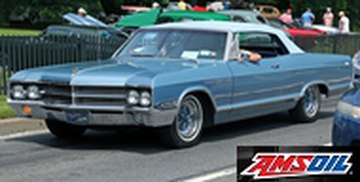
1983 Buick Riviera 5.7L Diesel: Oil and Filter Selection Guidance
When performing maintenance on a diesel engine, selecting the correct components is a matter of precise technical compatibility rather than general similarity. For the 1983 Buick Riviera equipped with the 5.7L Diesel engine, ensuring that every lubricant and filtration component meets the specific requirements of this application is essential for proper operation.
Why Physical Similarity in Oil Filters Can Be Misleading
A common mistake during maintenance is assuming that because an oil filter looks identical to another, it is functionally interchangeable. In many cases, two filters may share a similar external shape, diameter, or height, yet possess critical internal or mounting differences that make them incompatible with your specific engine. Relying on visual appearance can lead to significant issues during installation or operation.
When evaluating an oil filter, several technical factors must align perfectly:
- Thread Pitch and Diameter: Even a slight variation in the thread pattern can prevent a secure connection or, worse, cause cross-threading that damages the engine mounting surface.
- Sealing Surface Dimensions: The gasket or O-ring must sit flush against the mounting base. If the diameter or thickness is incorrect, it can lead to improper sealing and potential fluid loss.
- Mounting Flange Configuration: The way the filter seats against the engine block determines whether it remains stable under the pressure and vibration of engine operation.
- Internal Bypass Specifications: Filters are designed with specific internal valve settings. Using a filter with an incorrect bypass rating can affect how the engine manages oil flow during different operating conditions.
Because these variables are often invisible to the naked eye, you should never attempt to use a part simply because it "looks right" or because it was used on a similar vehicle from a different era.
The Importance of Application-Specific Matching
Effective maintenance relies on matching products to the exact specifications of your engine. For this 1983 Buick Riviera, the combination of the model year, the specific 5.7L displacement, and the Diesel designation is what defines the necessary service requirements. Using information from a gasoline-powered version of the same vehicle or a different model year can result in selecting incorrect lubricants or filtration components.
When choosing an engine oil, the most critical factor is the viscosity. You should match the engine oil to the application-specific viscosity information shown above on this page. Using an incorrect grade can affect how the lubricant flows through the engine, particularly during startup or under varying thermal loads. While some high-mileage oil formulations contain additives intended for use in aging engines, and some include seal-conditioning additives, these choices should always be secondary to meeting the primary viscosity requirements of the application.
Furthermore, when selecting filtration, the goal is to find a component that has been verified for this specific engine code. This ensures that the thread, sealing diameter, and internal flow characteristics are engineered to work with your 5.7L Diesel system.
Verifying Your Maintenance Products
To ensure you are using the correct parts for your 1983 Buick Riviera, avoid guessing based on the appearance of a filter or assuming interchangeability from a similar model. Instead, utilize the application-matched oil filter options and specific lubricant information displayed above on this page. These listings are tailored to your exact engine configuration and provide a more reliable basis for your maintenance decisions than any general assumption.